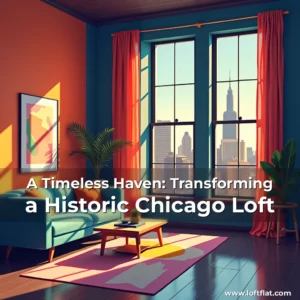
The Urban Renaissance: How Loft Living Redefines Modern City Life
In an era where concrete jungles are both battlegrounds and havens, urban living has evolved beyond mere survival. It’s now a deliberate lifestyle choice that blends functionality with aesthetic appeal, especially within spaces like loft flats.
This transformation is driven by shifting demographics, technological advancements, and a growing desire for vibrant communities over isolated homes. As cities expand vertically rather than horizontally, loft living emerges as a compelling solution that redefines what it means to live in the city.
Redefining Space Through Vertical Design
Loft flats challenge traditional notions of residential architecture by embracing open-plan layouts and maximizing vertical space. These designs prioritize natural light and airflow while creating fluid connections between different areas of the home.
High ceilings and exposed structural elements become design features rather than constraints. This approach not only creates visually striking interiors but also fosters a sense of openness essential for urban dwellers seeking connection with their surroundings.
- Open-concept living: Combines kitchen, dining, and living areas to create seamless flow
- Multi-functional furniture: Enables small spaces to serve multiple purposes efficiently
Smart storage solutions such as built-in shelving and custom cabinetry help maintain order without sacrificing style. These innovations make even compact lofts feel spacious and inviting.
Urban Sustainability Meets Residential Innovation
Eco-conscious living is becoming increasingly vital in densely populated cities. Loft conversions often incorporate sustainable materials and energy-efficient systems that align with modern environmental standards.
Features like solar panels, rainwater harvesting systems, and green roofs contribute to reducing each unit’s carbon footprint. These initiatives support broader sustainability goals while providing tangible benefits to residents.
Energy Efficiency in Action
A study by the Urban Development Institute found that properly insulated loft units can reduce heating costs by up to 30%. This efficiency stems from advanced insulation techniques and double-glazed windows.
Moreover, many new developments utilize geothermal heating systems which tap into stable underground temperatures for consistent climate control year-round.
Fostering Community in High-Density Environments
Despite their individualistic nature, well-designed loft complexes encourage social interaction through shared amenities and communal spaces. Rooftop gardens, co-working lounges, and fitness centers serve as gathering points for neighbors.
These spaces foster a sense of belonging crucial for mental well-being in fast-paced urban settings. They provide opportunities for collaboration, relaxation, and networking outside formal work environments.
- Shared facilities: Promote resource sharing and cost efficiencies among residents
- Community events: Strengthen neighborhood bonds through regular gatherings
Many developers now include concierge services that organize local meetups, workshops, and cultural experiences tailored to residents’ interests.
Tech Integration for Enhanced Urban Living
Modern lofts integrate smart technology seamlessly into daily life. From voice-controlled lighting systems to automated security protocols, these features enhance convenience and safety.
Internet of Things (IoT) devices enable remote monitoring of utilities and maintenance needs. This connectivity allows residents to manage their environment efficiently using mobile applications.
- Home automation systems: Centralize control over lighting, temperature, and security
- Smart appliances: Optimize energy use while improving user experience
Emerging technologies like AI-driven personal assistants further personalize the living experience by learning resident preferences and adapting accordingly.
Balancing Privacy and Social Connectivity
While proximity enhances social opportunities, maintaining privacy remains critical in high-density housing. Thoughtful architectural choices ensure that public and private domains remain distinct yet interconnected.
Soundproofing measures combined with strategic window placements help preserve acoustic comfort. These considerations allow residents to enjoy both solitude when desired and engagement when preferred.
- Dual-layer glass: Minimizes external noise intrusion effectively
- Interior sound barriers: Help contain internal sounds within designated zones
Well-planned interior partitions offer flexibility without compromising spatial continuity. This balance is key to sustaining long-term satisfaction in urban residences.
Health and Wellbeing in Loft Spaces
Designing for health involves incorporating biophilic elements that promote physical and psychological wellness. Natural materials, indoor plants, and ample daylight contribute significantly to occupant well-being.
Access to outdoor spaces is equally important. Many lofts feature balconies or terraces that provide much-needed breathing room amidst urban density. These areas facilitate exercise routines and casual recreation.
- Natural ventilation: Improves air quality and reduces reliance on artificial cooling
- Mental health corridors: Dedicated pathways within buildings designed for mindfulness activities
Some developments go further by including meditation rooms and yoga studios accessible to all residents. Such features reflect a holistic approach to urban living that prioritizes overall wellness.
Economic Advantages of Loft Living
Purchasing or renting a loft flat offers significant financial advantages compared to conventional apartments. Lower property taxes, reduced maintenance costs, and higher resale values make them attractive investment options.
Conversions from industrial buildings often come at lower prices due to existing infrastructure. This affordability factor makes loft living accessible to diverse income levels across various cities.
- Investment potential: Historic properties appreciate steadily over time
- Location premiums: Proximity to business districts increases market value substantially
Additionally, the unique character of lofts appeals to buyers looking for distinctive properties that stand out in real estate markets dominated by cookie-cutter designs.
Challenges and Considerations in Urban Living
While urban living presents numerous benefits, it also comes with challenges that require careful consideration. Noise pollution, limited parking, and fluctuating service availability are common concerns.
Addressing these issues requires proactive planning during development phases. Sound-dampening construction methods and efficient traffic management strategies help mitigate typical urban problems.
- Noise mitigation: Acoustic treatments in building structures minimize disturbances
- Transportation access: Proximity to public transit networks reduces dependency on cars
Residents should evaluate factors like emergency response times, waste disposal systems, and digital infrastructure before committing to any urban residence.
Future Trends Shaping Urban Living
Looking ahead, several trends will shape how we conceptualize urban living in coming years. Modular construction techniques promise faster build times while preserving design integrity.
Advancements in renewable energy sources may soon power entire neighborhoods sustainably. These changes suggest a future where cities function as self-sustaining ecosystems rather than isolated clusters of buildings.
- Modular housing: Allows for customizable living arrangements with minimal disruption
- Circular economy principles: Encourage reuse of materials and reduction of waste generation
As technology continues evolving rapidly, our understanding of what constitutes ideal urban living will inevitably shift towards greater integration with nature and smarter urban planning methodologies.
Conclusion
Loft living represents a paradigm shift in how people engage with urban environments. By blending form and function, it offers innovative solutions to contemporary living challenges faced by city dwellers everywhere.
To fully embrace this lifestyle, consider evaluating your priorities regarding space utilization, community involvement, and technological adoption when selecting or designing your next urban dwelling place.