
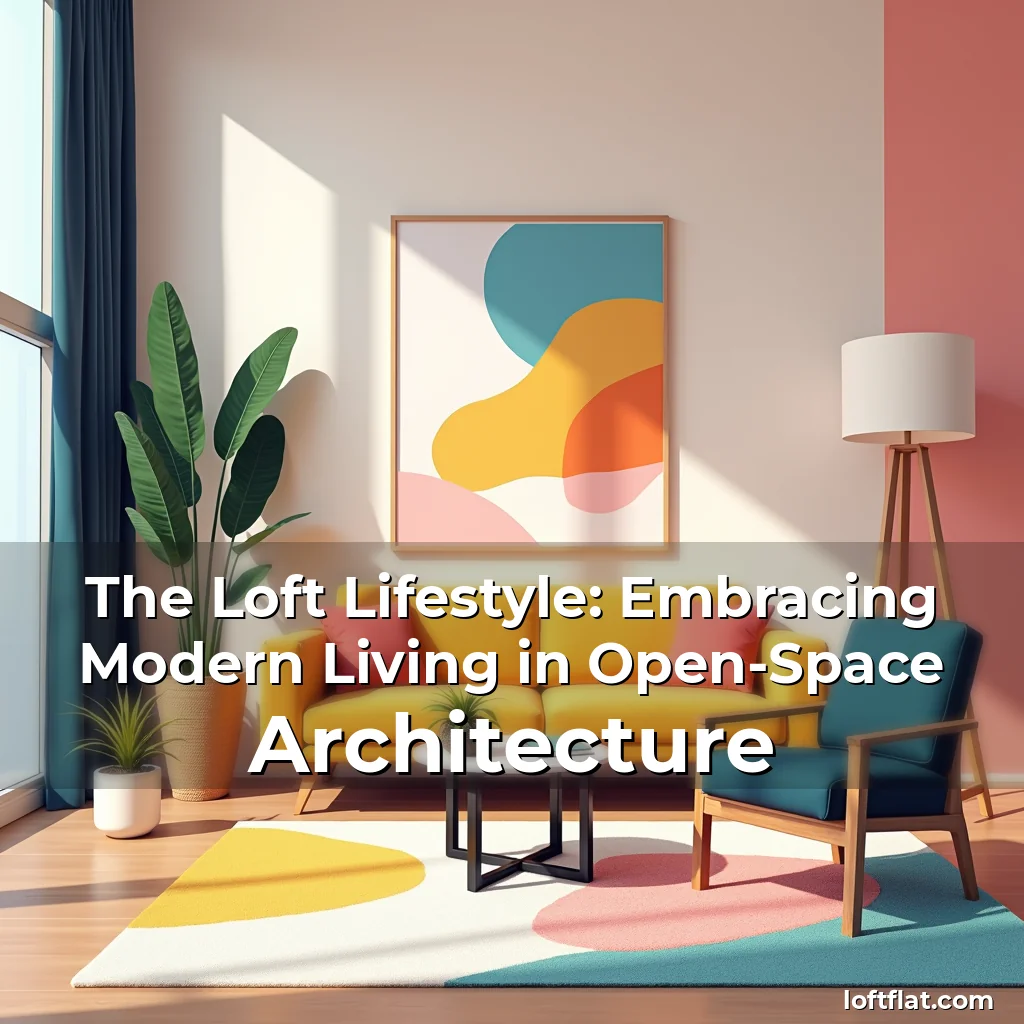
The Loft Lifestyle: Embracing Modern Living in Open-Space Architecture
The loft lifestyle has emerged as a defining trend in urban living, blending minimalism, functionality, and artistic expression into a single cohesive space. Originating from repurposed industrial buildings, lofts have evolved into dynamic residences that cater to a wide range of lifestyles, from solo professionals to growing families.
This guide explores the essence of loft living, delving into its history, design principles, and the unique benefits it offers to modern dwellers. Whether you’re considering a conversion project or simply curious about this architectural phenomenon, this article provides essential insights into embracing the loft lifestyle.
The Origins and Evolution of Loft Living
Loft living traces its roots back to early 20th-century New York City, where artists and writers sought affordable spaces in abandoned factory buildings. These expansive interiors, complete with high ceilings and exposed brickwork, became havens for creativity and experimentation.
Over time, the concept spread beyond Manhattan, adapting to cities worldwide. Today, lofts represent not just a housing solution but a cultural movement that prioritizes openness, light, and a seamless integration with urban environments.
- Historical Context: Originally designed for manufacturing, lofts were transformed by visionaries who saw potential in their raw architecture.
- Cultural Impact: The loft lifestyle influenced art movements, fashion, and even music scenes, becoming a symbol of counterculture innovation.
Modern lofts continue this legacy, incorporating cutting-edge technology and sustainability practices while honoring the spirit of adaptive reuse.
As demand grows, developers are increasingly creating purpose-built lofts that combine historical charm with contemporary comforts, ensuring the tradition remains vibrant in the 21st century.
Design Principles of Loft Spaces
A well-designed loft balances aesthetics with utility, transforming vast open spaces into functional living environments. Key considerations include ceiling height, natural lighting, and the strategic placement of structural elements like columns and beams.
Maintaining visual continuity is crucial in loft design. This means avoiding cluttered layouts and opting for clean lines, neutral color palettes, and multifunctional furnishings that serve dual purposes.
Maximizing Natural Light
Natural light plays a pivotal role in making lofts feel spacious and welcoming. Large windows, skylights, and strategically placed mirrors can enhance illumination without compromising privacy.
Architectural studies show that properties receiving ample sunlight see a 15% increase in perceived size. Incorporating transparent materials like glass partitions further amplifies this effect.
Light-colored flooring and reflective surfaces contribute significantly to brightness. Textured fabrics and metallic accents provide depth without overwhelming the space.
Lifestyle Benefits of Living in a Loft
One of the primary appeals of loft living lies in its ability to foster connectivity between different aspects of daily life. With few physical barriers separating living areas, kitchens, and sleeping quarters, lofts encourage fluid interactions and spontaneous conversations.
The open-plan configuration also facilitates flexible usage patterns. A guest room can double as an office, while dining spaces easily transition into entertainment zones. This adaptability caters perfectly to evolving household needs.
Social engagement thrives in loft communities. Shared courtyards, rooftop terraces, and communal lounges become natural gathering spots, fostering neighborly relationships unlike those found in conventional apartment complexes.
Moreover, proximity to city centers reduces commuting times dramatically. Many lofts are located near public transit hubs, trendy neighborhoods, and cultural landmarks, offering unparalleled convenience.
Space Optimization Techniques for Lofts
Given their typically compact footprint relative to floor-to-ceiling heights, optimizing loft space requires ingenuity and careful planning. Utilizing vertical dimensions becomes essential when maximizing usable surface area.
Floor plans should prioritize traffic flow, ensuring clear pathways between major zones. Floating stairs and suspended walkways help maintain spatial coherence without sacrificing openness.
- Multi-functional Furniture: Modular sofas that convert into beds, fold-out desks, and wall-mounted storage solutions save precious square footage.
- Vertical Storage Solutions: Built-in cabinets along perimeter walls, overhead racks, and recessed niches utilize otherwise wasted airspace effectively.
Smart organizational systems prevent clutter buildup. Custom closet dividers, drawer organizers, and labeling systems ensure items remain accessible yet discreetly stored.
Partitioning techniques allow for subtle zoning without obstructing views. Room dividers made from translucent fabric or freestanding bookshelves define boundaries organically.
Community and Social Aspects of Loft Living
Loft communities often cultivate distinct social ecosystems shaped by shared interests and values. Residents frequently engage in collaborative projects ranging from garden installations to co-working initiatives.
Rooftop gardens and terraces serve as green sanctuaries amidst concrete landscapes. These spaces promote environmental awareness while providing venues for outdoor activities year-round.
Cooperative ownership models sometimes exist in larger loft conversions, enabling collective decision-making around property management and renovations. Such arrangements build strong bonds among neighbors.
Regular events hosted by local businesses or resident associations further strengthen community ties. From yoga classes on balconies to pop-up markets in shared courtyards, these gatherings enrich the urban living experience.
Technology Integration in Modern Lofts
Contemporary lofts incorporate advanced technological features to enhance comfort and efficiency. Smart thermostats, automated blinds, and voice-controlled assistants streamline everyday tasks seamlessly.
Integrated sound systems embedded within walls or ceilings deliver immersive audio experiences without visible wiring. Hidden outlets and wireless charging stations accommodate modern electronic needs elegantly.
Eco-friendly technologies like solar panels, rainwater harvesting systems, and energy-efficient LED lighting align with sustainable living goals prevalent among loft dwellers.
High-speed broadband networks are standard in newer constructions, supporting remote work setups and streaming services essential for digital nomads and entrepreneurs residing in lofts.
Financial Considerations When Choosing a Loft as Your Home
Purchasing or renting a loft involves evaluating several financial factors alongside aesthetic preferences. Location significantly impacts affordability, with prime downtown locations commanding premium prices despite smaller individual unit sizes.
Investment potential varies based on development quality and neighborhood revitalization efforts. Older lofts may require substantial renovation costs upfront but offer opportunities for customization and personalization.
Rentals present distinct advantages for those seeking flexibility. Many lofts feature month-to-month lease agreements, allowing tenants to relocate conveniently without long-term commitments.
Insurance policies specifically tailored for loft properties account for unique risks associated with elevated positions, potentially affecting premiums differently than traditional apartments.
Maintenance and Upkeep Challenges Specific To Loft Properties
Maintaining a loft demands awareness of particular vulnerabilities inherent to their structure. Issues like aging electrical systems, outdated plumbing, and deteriorated insulation require regular inspection and timely repairs.
Exposure to weather conditions poses additional concerns for upper-level units. Waterproofing measures must protect against leaks originating from roofs or adjacent buildings’ drainage systems.
Structural integrity assessments become necessary periodically, especially in historic lofts where original load-bearing components might degrade over time. Professional inspections safeguard against unforeseen complications.
Common area upkeep falls under homeowners association guidelines in many cases, necessitating contributions toward shared expenses related to elevators, HVAC systems, and exterior maintenance.
Future Trends In Loft Living
Evolving societal needs shape ongoing transformations in loft living approaches. There’s increasing emphasis on wellness-oriented designs featuring indoor plants, biophilic elements, and air-purifying materials integrated into interior finishes.
Sustainable construction methods gain traction as ecological consciousness rises globally. Recycled steel frameworks, low-VOC paints, and reclaimed wood furnishings exemplify environmentally responsible choices gaining popularity.
Adaptive reuse continues expanding beyond traditional industries, with commercial spaces like theaters, schools, and retail stores being reimagined as residential lofts. This trend reflects broader shifts towards circular economy principles.
Technological advancements promise enhanced livability through AI-driven climate control systems, augmented reality interfaces for home automation, and self-sustaining microgrids powering entire loft districts independently.
Conclusion
The loft lifestyle represents much more than mere architectural form—it embodies a philosophy centered on simplicity, connection, and conscious living. By embracing open spaces, innovative design, and community engagement, individuals discover renewed ways of interacting with their surroundings.
To fully appreciate this mode of existence, consider exploring available lofts in your region or envisioning future conversions. Whether drawn by design allure or pragmatic advantages, adopting the loft lifestyle opens doors to transformative urban experiences waiting to unfold.