
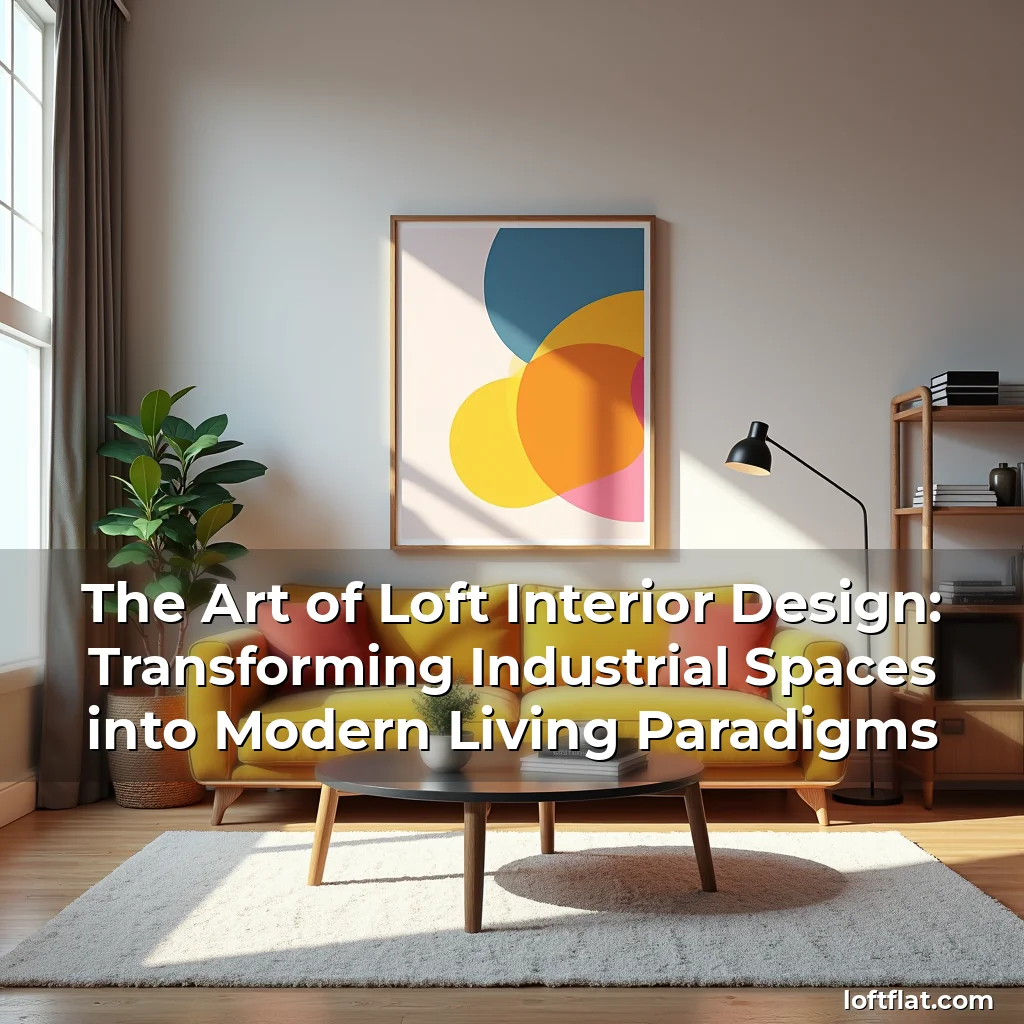
The Art of Loft Interior Design: Transforming Industrial Spaces into Modern Living Paradigms
In an era where urban living increasingly favors open spaces and architectural innovation, loft interiors have emerged as a symbol of contemporary lifestyle choices. These expansive, often previously industrial spaces offer a blank canvas that invites creativity and personalization.
Lofts are typically characterized by high ceilings, exposed structural elements, and large windows that flood the space with natural light. This inherent openness allows for versatile design solutions tailored to individual tastes while maintaining functionality.
Understanding the Unique Characteristics of Loft Interiors
A defining feature of lofts is their historical origin as former warehouses, factories, or commercial buildings. The conversion of these structures into residential units has preserved many original elements such as brick walls, concrete floors, and steel beams.
This raw aesthetic provides a foundation upon which modern comforts can be layered without compromising the character of the space. Understanding these features helps designers create cohesive environments that respect the past while embracing the present.
High ceilings and wide-open floor plans require thoughtful spatial organization. Proper zoning becomes essential to ensure different areas serve distinct purposes despite their interconnected nature.
Exposure to natural light through large windows is another critical aspect. Strategic placement of furniture and decor can enhance illumination while creating visual interest within the space.
- Exposed Structural Elements: Steel beams and ductwork add industrial charm when incorporated thoughtfully into the design scheme.
- Concrete Floors: These provide durability but may need treatment to achieve desired aesthetics and comfort levels.
- Large Windows: They allow abundant daylight but necessitate considerations regarding privacy and glare management.
Design Principles for Effective Loft Space Utilization
Efficient use of vertical space is crucial in lofts due to their vast horizontal dimensions. Incorporating built-in storage solutions along walls maximizes usable area without cluttering the open plan layout.
Furniture selection plays a significant role in defining zones within an open-plan loft. Modular pieces that can be rearranged easily help maintain flexibility according to changing needs over time.
Lighting strategies must balance ambient lighting with task-specific illumination. Layered approaches using overhead fixtures, table lamps, and recessed lights contribute to both function and ambiance.
Color schemes influence perception significantly; lighter hues make rooms feel larger whereas darker tones add depth and intimacy when used strategically.
Textiles and soft furnishings introduce warmth against cold materials typical in converted lofts. Rugs, curtains, and throw pillows soften hard surfaces visually and acoustically.
Materials and Textures That Define Loft Aesthetics
Industrial materials like metal, glass, and reclaimed wood dominate traditional loft designs. However, blending these with warmer textures creates balanced environments that are inviting yet stylish.
The contrast between smooth finishes found in polished concrete and rough-hewn timber adds dimensionality to any setting. Mixing different surface types enhances visual appeal through tactile diversity.
Reclaimed wood offers sustainability benefits alongside its rustic beauty. It serves well as flooring material or accent panels adding character without overwhelming other design aspects.
Metallic accents from fixtures or decorative items bring out the utilitarian spirit associated with lofts. When chosen appropriately they complement rather than overpower existing architecture.
Glass components such as shelves or room dividers maintain transparency while providing functional separation between zones within the same space.
Creating Functional Zones Within Open Plan Lofts
Differentiating areas within an open layout requires creative solutions that don’t disrupt flow or visibility. Using furniture arrangements effectively defines boundaries subtly yet clearly.
Rugs placed under seating groups denote living areas naturally. Similarly, kitchen islands positioned centrally act as anchors around which activity revolves.
Room dividers made from fabric screens or bookshelves offer semi-permanent partitions allowing freedom of movement combined with defined spaces.
Lighting variations across zones reinforce spatial identity. For instance, dimmable track lighting above workstations contrasts nicely with softer downlights elsewhere.
Acoustic treatments become necessary in larger lofts where sound might carry too far. Adding thick carpets or installing acoustic panels improves auditory comfort considerably.
Maximizing Natural Light Through Smart Window Treatments
Leveraging ample window space means choosing sheer fabrics that filter sunlight without sacrificing views outside. Blinds or shades provide adjustable control over brightness depending on conditions.
Reflective surfaces placed near windows amplify available light reducing reliance on artificial sources during daytime hours. Mirrors strategically located opposite windows increase perceived size dramatically.
Window seats double as storage options while offering cozy spots to enjoy natural scenery. They also maximize floor space utilization efficiently especially in smaller lofts.
Smart technology integration enables automated shading systems responding dynamically to weather changes ensuring optimal illumination at all times conveniently.
Combining fixed glazing with operable windows maintains ventilation possibilities even amidst extensive glass coverage contributing positively towards indoor air quality.
Introducing Greenery Into Urban Loft Environments
Indoor plants transform sterile environments into vibrant ecosystems promoting mental wellbeing among occupants. Their presence encourages mindfulness connecting residents back to nature despite city settings.
Potted specimens placed strategically throughout the space act as organic dividers dividing functions organically rather than imposing rigid barriers physically.
Hanging planters utilize vertical space effectively keeping ground level uncluttered while still benefiting from direct sunlight exposure required for healthy growth.
Vertical gardens mounted onto exterior walls integrate seamlessly into building facades enhancing insulation properties besides beautifying surroundings visibly.
Low-maintenance species suited for indoor cultivation simplify upkeep requirements making them ideal candidates particularly busy professionals seeking easy care alternatives.
Personal Expression Through Decorative Accents and Custom Features
Decorative elements reflect owner personalities shaping uniquely identifiable atmospheres inside shared architectural frameworks. From artwork selections to personalized shelving configurations everything contributes meaningfully.
Cutting-edge technologies enable customization at scale including 3D printed sculptures or digitally rendered murals bringing forth bespoke expressions difficult otherwise achievable conventionally.
Bespoke cabinetry crafted specifically for irregularly shaped corners ensures complete usage efficiency addressing challenges posed by non-standard geometries encountered frequently within old structures.
Custom-designed rugs featuring exclusive patterns elevate ordinary floors transforming them into statement pieces central to overall visual narratives established through careful curation processes.
Statement lighting fixtures serving dual roles as illuminators plus artistic focal points draw attention deservedly reinforcing thematic coherence consistently maintained throughout projects.
Challenges and Considerations in Loft Interior Design
Structural limitations imposed by heritage buildings sometimes restrict modification freedoms requiring compromises regarding preferred layouts or finishes selected initially during planning stages.
Existing infrastructure like HVAC systems or electrical conduits demand careful consideration before implementing new installations preserving integrity of underlying networks simultaneously achieving visual goals pursued externally.
Regulatory compliance concerning preservation standards applies strictly wherever listed status attaches mandating adherence closely prescribed guidelines governing alterations permitted legally.
Soundproofing measures prove indispensable particularly situated close proximity noise sources such as transportation corridors necessitating additional insulation layers inserted selectively along affected walls.
Thermal regulation becomes complex dealing with potential heat loss via expansive glazed façades countered partially employing thermal breakages installed deliberately within framework joints.
Conclusion
Loft interior design represents a dynamic interplay between history and modernity enabling creation of distinctive habitats reflecting occupant values precisely. Thoughtful application of principles discussed here facilitates realization of aspirational visions accurately.
Embracing opportunities presented by raw architectural features coupled with innovative approaches guarantees transformation success rates notably elevating standard expectations routinely associated merely with generic housing models currently prevalent widely today.